Air Sports Innovation: FMX Bike Meets Paramotor Flight in Groundbreaking Aerial Fusion
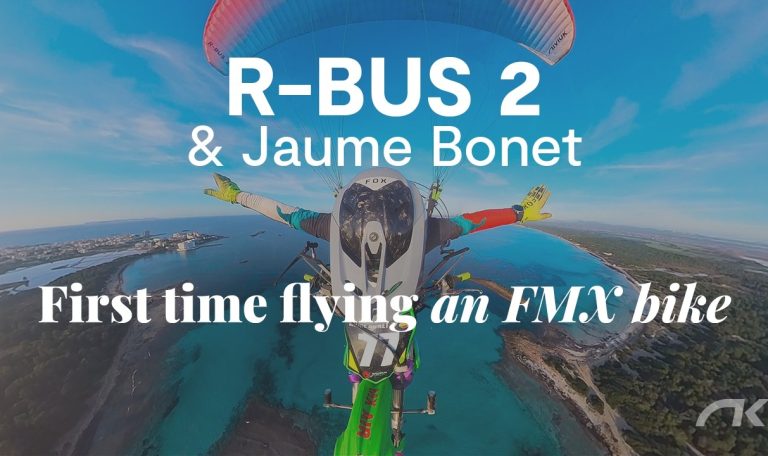
A striking new fusion of aerial sports and freestyle motocross has been making waves in the air sports community, highlighted by a recent video documenting a first-time flight of an FMX-style motorcycle equipped with a paramotor wing. The footage, shared on YouTube by a Niviuk Adventure pilot, captures both the thrill and technical challenge of lifting a motorbike-inspired rig into the sky using a powered paraglider setup.
While no major news outlets have yet published reports specifically about this project, the concept sits at the intersection of powered paragliding (paramotoring) and freestyle aerial stunts — an emerging area of enthusiast innovation drawing interest across social media and specialized aviation forums.
What Viewers Are Seeing in the Video
In the featured video, the pilot straps a motorcycle frame outfitted with paramotor gear to a Niviuk R-Bus 2 wing, a high-capacity paramotor canopy designed for tandem or trike use. The footage combines onboard GoPro visuals, commentary about the setup process, and shots of the hybrid rig climbing and maneuvering under power.
Unlike traditional foot-launched paramotoring, this configuration attaches a lightweight FMX bike chassis that supports the pilot and engine together, creating a “sky-bike” effect — blending the aesthetic and balance of two-wheeled motocross with ultralight flight.
Gear Spotlight: Niviuk R-Bus 2 Wing
A central piece of the setup is the Niviuk Paragliders R-Bus 2 wing — a paramotor and trike-compatible canopy renowned for its stability and load capacity. According to manufacturer and gear reports:
-
The R-Bus 2 is available in four sizes with flat areas from 31 m² to 40 m², supporting total flight weights from roughly 100 kg to as much as 600 kg depending on the size chosen.
-
It was designed with a reinforced internal structure and upgraded line and profile systems for better load distribution, easier launch behavior, and greater in-flight stability.
-
The wing’s A-Assist system aids takeoff control by helping manage the riser tension and wing inflation, particularly useful when hauling heavier rigs like tandem trikes — a capability that translates well to experimental setups like FMX-mounted paramotor flights.
-
Independent reviews note the R-Bus 2’s extended speed range and reduced brake pressure, which improves comfort and handling across a variety of flying conditions.
The R-Bus 2 has also been part of record-breaking flights, with a documented 469-km FAI triangle flight achieved on this wing in tandem trike configuration, showcasing its performance potential in long-distance paramotor flying.
Sport Meets Experimentation
Although traditional paramotoring is already a niche but growing segment of air sports, this hybrid FMX-paramotor experiment underscores a new frontier of aerial creativity — where pilots adapt off-the-shelf hardware and wings like the R-Bus 2 to push the limits of what personal flight rigs can do.
For now, the broader aeronautical press has not picked up the story, but social media buzz suggests the flying community is paying attention. As gear manufacturers continue to innovate with higher-load wings and pilots explore unconventional setups, expect more cross-disciplinary aerial projects to appear in the months ahead.